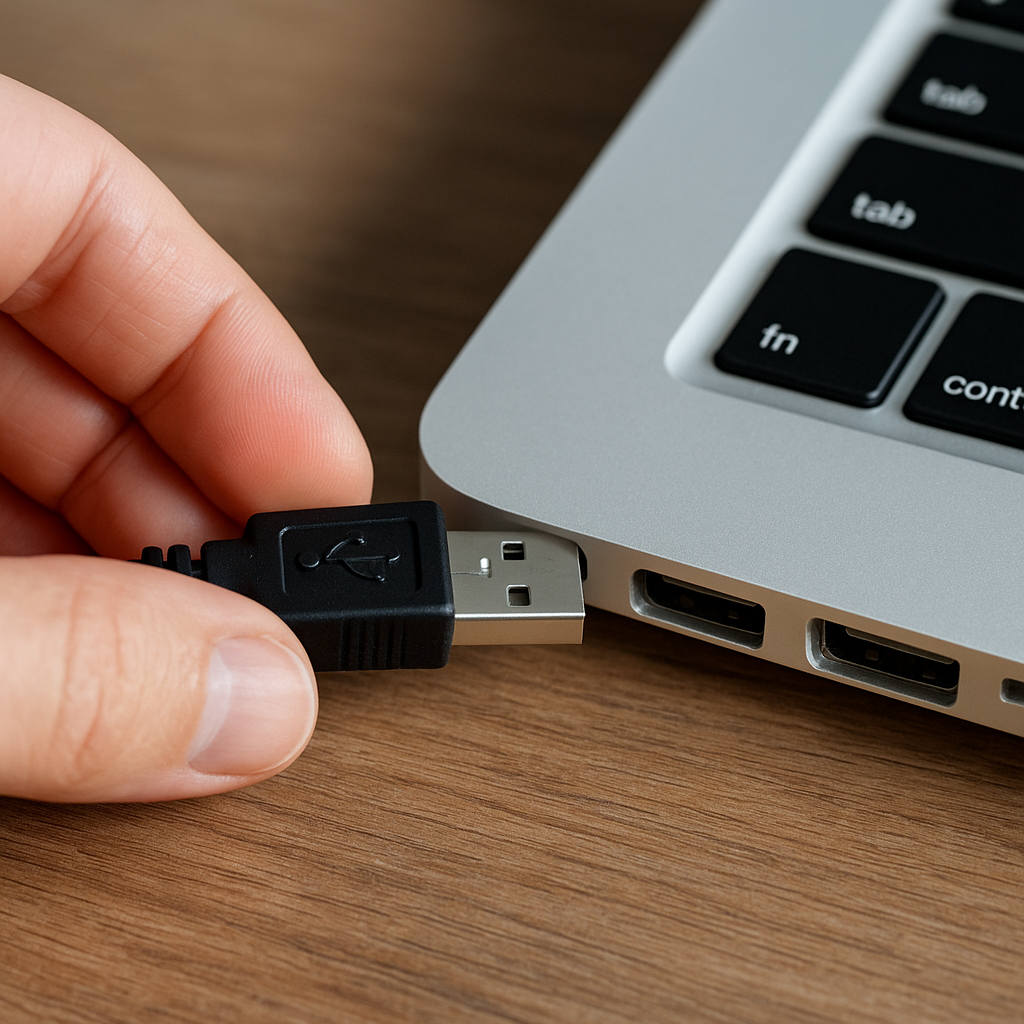
When Usb Ports Not Working: A Straightforward Guide To Fixing Connectivity
Plugging in a drive, a mouse, or a charging cable only to see absolutely nothing happen is a familiar frustration. By twenty twenty-six, digital workflows depend heavily on seamless peripheral connections, yet hardware hiccups still pop up daily. Understanding why a connection drops requires looking past the physical plug and into system configurations, power delivery, and controller logic. The technology has shifted dramatically since the original Universal Serial Bus standard rolled out decades ago. What started as a slow replacement for serial and parallel ports now handles multi-gigabit data, video output, and high-wattage charging through a single interface.
Modern setups rely on complex chipset communication. A simple physical insertion triggers a cascade of software handshakes. When that chain breaks, devices fail to enumerate. The good news is that most connection failures stem from manageable software glitches or minor hardware wear, not catastrophic motherboard failures.
Laptop Usb Ports Not Working
Mobile machines introduce extra variables. Compact chassis designs share limited thermal headroom and power rails across fewer physical lanes. A single internal hub often manages multiple external receptacles. If that hub overheats or receives inconsistent voltage, every connected device suffers. Firmware updates from manufacturers sometimes address these routing quirks, but they also introduce new bugs if the update process gets interrupted. The troubelshooting process must account for thermal throttling and aggressive power saving profiles that mobile systems use to extend battery life.
Why Are My Usb Ports Not Working
Pinpointing the root cause usually comes down to three layers: physical, driver-level, and power management. Dust accumulation inside the receptacle often blocks proper contact. Oxidation on pins or a bent internal tongue can also interrupt signal routing. On the software side, outdated or corrupted controller drivers frequently drop the enumeration handshake. Operating systems sometimes aggressively cut power to idle interfaces to save energy, which leaves peripherals unrecognized when they finally wake up.
| Failure Layer | Typical Symptom | First Check |
| Physical | No detection, loose plug feel | Inspect port for debris or damage |
| Driver | Device shows as unknown or error code 10 | Update or reinstall controller drivers |
| Power | Intermittent disconnects under load | Disable selective suspend in settings |
Usb Not Working On Laptop
When a notebook suddenly refuses to recognize external hardware, the path narrows quickly. Start with a hard reset. Shut down the system, disconnect the charger, remove any removable battery if available, and hold the power button for thirty seconds. This drains residual capacitance from the motherboard and forces a clean hardware reinitialization. Afterward, reconnect power and boot normally. Software handshake failures often clear after this step because the controller loses its stuck state.
- Test the receptacle with a known-working cable and device to isolate hardware faults
- Open device manager, locate the universal serial bus controllers section, and uninstall any entries marked with a warning icon before scanning for hardware changes
- Review firmware settings for disabled xhci handoff or legacy support toggles that might block enumeration
- Run a system file checker scan to repair corrupted registry entries that manage plug-and-play services
Hardware rarely fails without warning. Usually, a software patch or a simple power cycle resolves what looks like a permanent connection loss.
Historical Shifts And Modern Expectations
Early computing relied on dedicated interfaces for every peripheral. Mice used serial lines, printers demanded parallel connections, and keyboards occupied specialized plugs. The introduction of the bus architecture consolidated everything into a single standardized port. Over the past twenty years, bandwidth jumped from twelve megabits per second to over eighty gigabits, while physical connectors shrank and gained reversible designs. Human interaction with computers transformed from cumbersome cable management to effortless hot-plugging. Yet that convenience hides a layer of complexity. Modern controllers must negotiate voltage levels, data speeds, and protocol versions automatically. When that negotiation fails, the port appears dead even though the silicon remains fully functional. Experts generally reccomend keeping chipset drivers current to avoid protocol mismatches during high-speed transfers.
Advanced Diagnostics
If basic resets fail, deeper system interventions become necessary. Corrupted registry keys often linger after improper device removal. Clearing stale driver stores and reinstalling chipset packages typically restores proper communication. Some systems also suffer from conflicting virtualization software or security suites that intercept hardware enumeration calls. Temporarily disabling background services during testing reveals whether third-party software blocks the connection pipeline.
Physical inspection remains essential. A magnifying tool helps spot micro-bent pins or compacted lint. Gently blowing compressed air clears loose debris without risking static discharge. For recurring issues across all receptacles, the motherboard controller may require a firmware flash. Always verify checksums before applying low-level updates to avoid bricking the mainboard. Further reading on interface standards and maintenance protocols can be found through official hardware documentation and independent tech journals. USB Implementers Forum guidelines provide detailed specifications for controller behavior. The Intel hardware support portal also publishes chipset troubleshooting matrices. Source: bbc.com
Most connection dropouts resolve with methodical diagnostics rather than expensive repairs. Keeping firmware current, avoiding forced ejections, and monitoring thermal conditions extends the lifespan of onboard controllers. When a port stops responding, the problem usually traces back to a simple configuration mismatch or minor physical obstruction rather than catastrophic component failure. Regular maintenance and systematic testing keep external devices communicating reliably across modern workstations and mobile rigs.