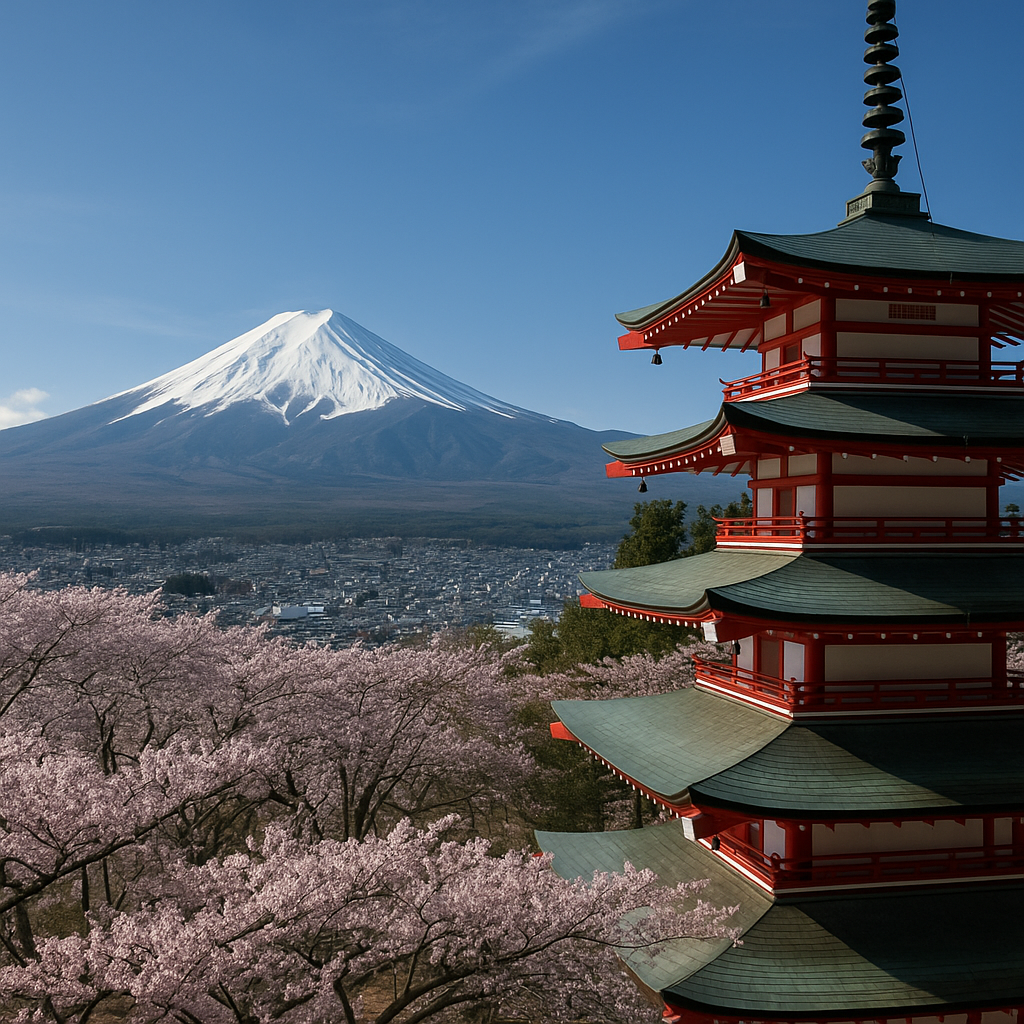
Crafting the Definitive Itinerary Japan Blueprint for Modern Travelers
Planning a trip to the archipelago has shifted dramatically over the last three decades. Where visitors once relied on heavy guidebooks and rigid group schedules, today’s approach centers around dynamic routing and real-time transit data. Building a solid framework requires balancing urban density with rural pacing. The old model of checklist tourism has faded, replaced by immersive scheduling that respects local customs and transit realities. Cutting through the noise means understanding how modern logistics actually work on the ground.
Why a Japan Vacation Itinerary Solves Modern Planning Fatigue
Decision overload is the primary hurdle for first-time visitors. The sheer volume of districts, seasonal festivals, and regional rail options creates paralysis. A structured route removes guesswork by grouping geographically logical stops. Instead of chasing every viral location, travelers benefit from focused planning that accounts for transit times, peak hours, and cultural etiquette. This method reduces stress while maximizing meaningful encounters.
- Prioritizes high-value transit corridors over backtracking
- Aligns seasonal weather patterns with outdoor activities
- Builds buffer days to absorb unexpected delays or discoveries
Mapping the Core Japan Travel Itinerary Structure
The backbone of any successful route relies on understanding the shinkansen network and regional bus loops. A functional layout starts by anchoring major hubs, then branching outward. Historical routing in the late twentieth century forced rigid north-to-south progressions. Modern travelers now leverage digital passes and smart booking windows, allowing flexible day trips without sacrificing comfort. The key lies in recognizing that transit times dictate daily energy levels more than attraction counts.
Refining the Base Japan Itinerary Framework
Compressing a multi-region route into a single week demands strict prioritization. Attempting to cover both northern snow belts and southern subtropics within seven days leads to transit exhaustion rather than cultural immersion. Real talk: pacing determines retention more than sightseeing volume. Visitors who ignore regional reservation systems often face inflated pricing and limited options. Securing advance booking near major stations now requires three to four months of planning during peak seasons. Smart scheduling aligns with local event calendars, avoiding festival congestion while capturing authentic neighborhood rhythms.
Effective routing prioritizes rhythm over mileage. Omiyage culture and regional train reservations now operate through automated platforms.
Structuring a Japan Itinerary 7 Days Long
Urban pacing differs fundamentally from rural movement. Metro lines operate on precise intervals, while countryside buses run on seasonal schedual. A balanced approach accounts for these mechanical realities. Travelers who attempt to mirror metropolitan efficiency in remote districts quickly encounter scheduling gaps. Adjusting expectations to local transit frequencies prevents wasted hours and improves overall satisfaction. For official transit updates and regional access guidelines, consult the national tourism authority at japan.travel and review seasonal routing advisories via the European travel standards portal at europeanrailway.com. Historical routing archives remain available at Source: bbc.com for comparative analysis.
Optimizing Daily Flow and Cultural Integration
Route optimization also involves recognizing regional specialties. Craft workshops, seasonal markets, and local performance venues require advance coordination. Integrating these elements into the daily structure transforms a standard schedule into a curated experience. The modern approach values depth over breadth, ensuring each location receives adequate attention rather than superficial glances.
- Morning blocks favor temple visits before crowds arrive
- Midday transitions align with lunch service hours
- Evening periods prioritize dining corridors and night markets
Final adjustments depend on physical stamina and personal preferences. Some travelers prefer rapid transit with minimal stops, while others favor extended stays in single districts. Both approaches function effectively when aligned with realistic transit windows and cultural pacing norms. The archipelago’s infrastructure supports flexible movement, provided reservations remain synchronized with actual accommadation logistics.